
Condo vs House in Gulf Shores: A Buyer’s Deep-Dive
December 18, 2025
December 18, 2025
Trying to choose between a condo and a beach house in Gulf Shores? The right fit depends on how you plan to use the property, your tolerance for upkeep, and whether short-term rentals are part of the plan. In this guide, you’ll compare costs, lifestyle, rental logistics, financing, and insurance so you can move forward with confidence. Let’s dive in.
Gulf Shores sees strong demand from late spring through summer, with solid shoulder seasons in spring and fall. For planning your own visits or rental strategy, review events and visitor trends from the local tourism office at Gulf Shores & Orange Beach. Off-season months are calmer, and some owners target longer stays during winter.
Short-term rentals typically require city registration, a business license, and compliance with local ordinances. Always verify current requirements on the City of Gulf Shores website. If you’re considering a condo, confirm that the building’s governing documents allow STRs and note any minimum-stay rules.
Entry prices vary by building, amenities, lot location, and beach proximity. Condos often provide a lower initial purchase point than detached beach houses, though high-amenity towers or direct beachfront units can narrow the gap. Use current comps from a local MLS source to gauge up-to-date ranges.
With condos, HOA dues usually cover exterior building care, common-area utilities, pool and amenity upkeep, and often a portion of the building’s insurance under a master policy. You’ll want to read the HOA’s budget, reserves, and recent meeting minutes for any special assessments or upcoming projects. With a single-family house, you’re responsible for exterior care, roof and siding, HVAC, decks, landscaping, and any private pool or outdoor features.
Coastal risk affects both condos and houses. Check FEMA mapping for the property’s flood zone using the FEMA Flood Map service, and learn how flood insurance works through the National Flood Insurance Program. For wind and hurricane coverage guidance in Alabama, see the Alabama Department of Insurance. Property tax estimates vary by parcel; confirm current values and exemptions through Baldwin County records.
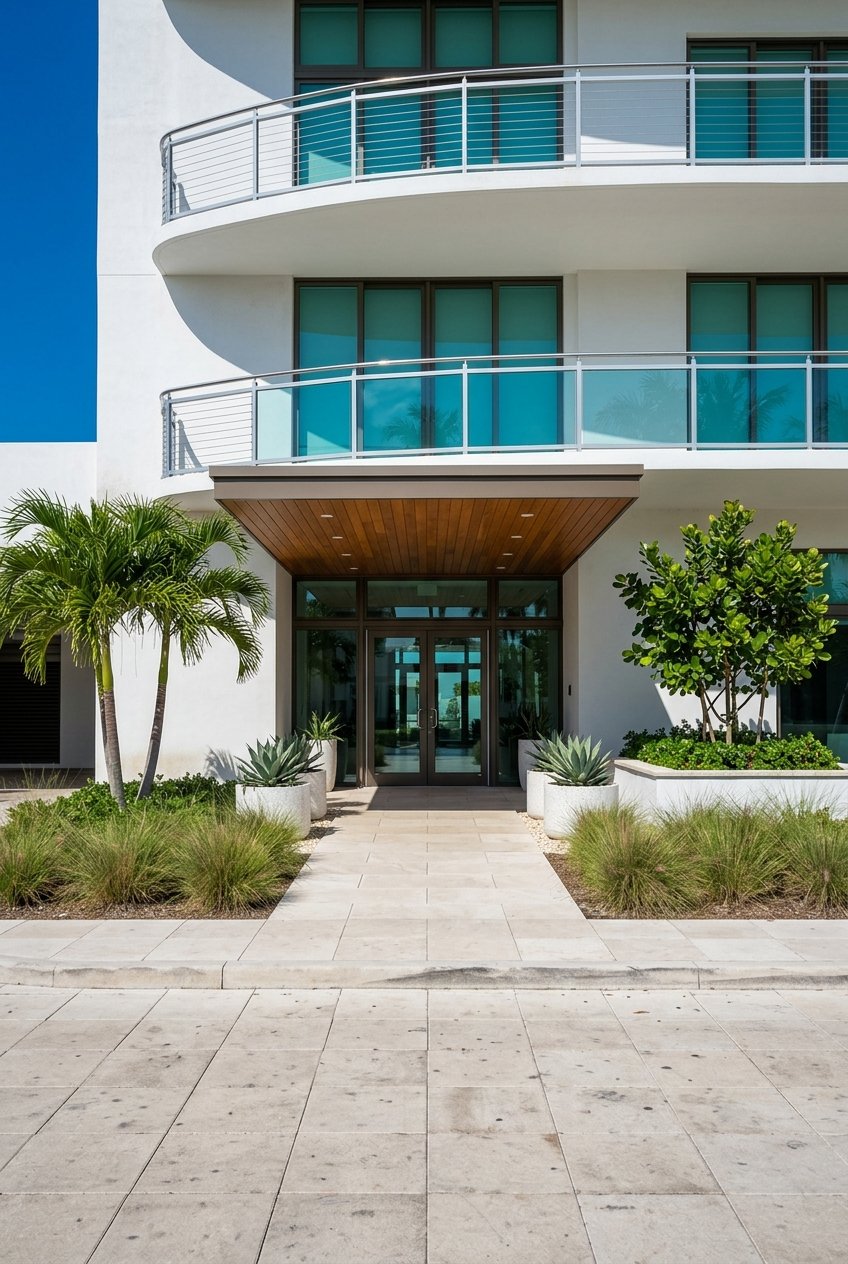
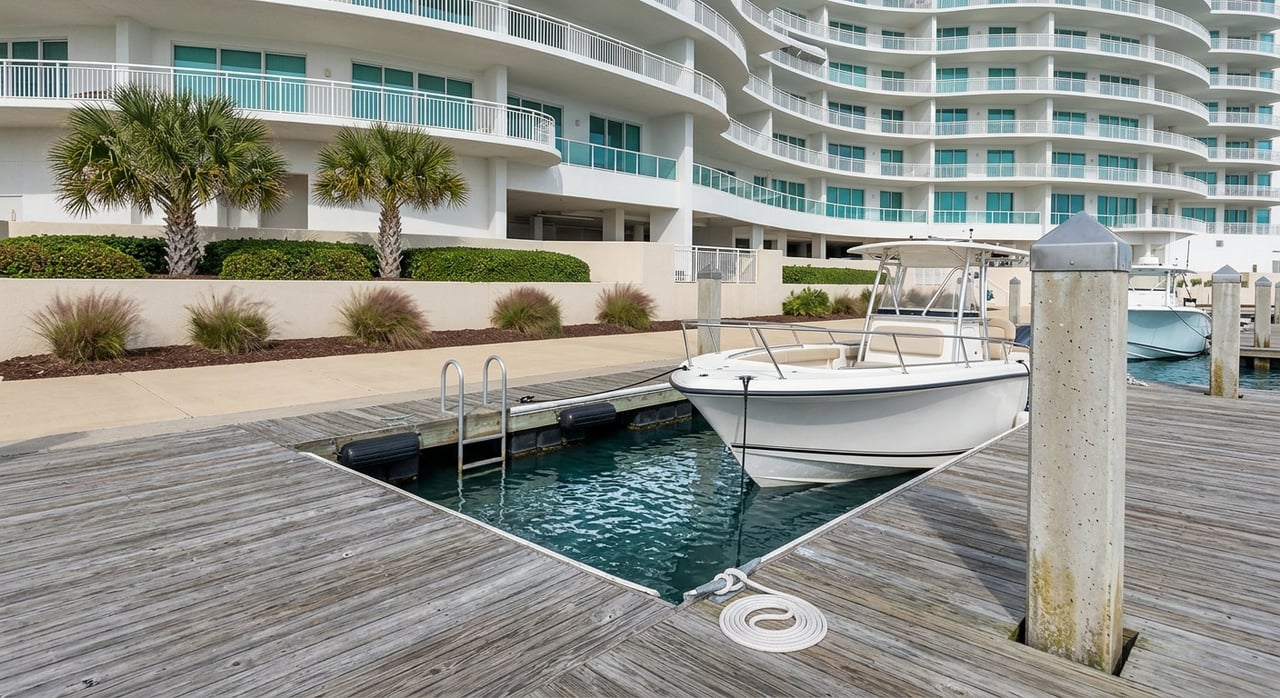
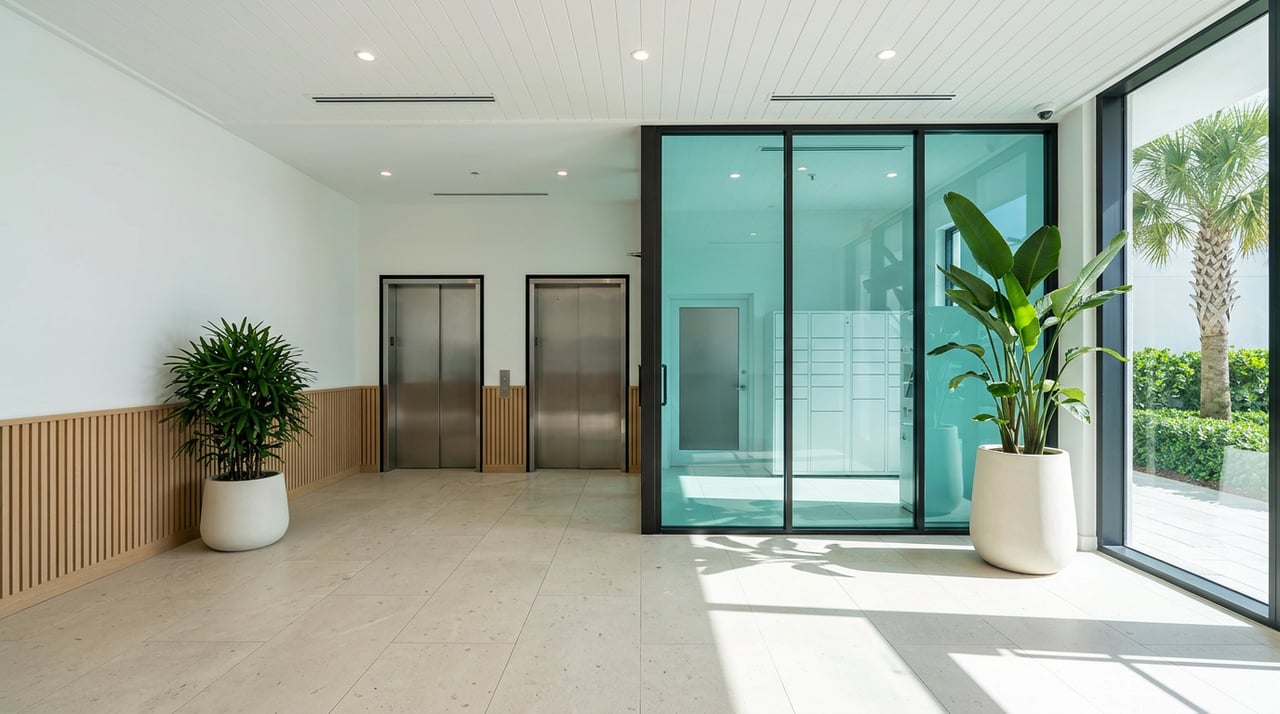
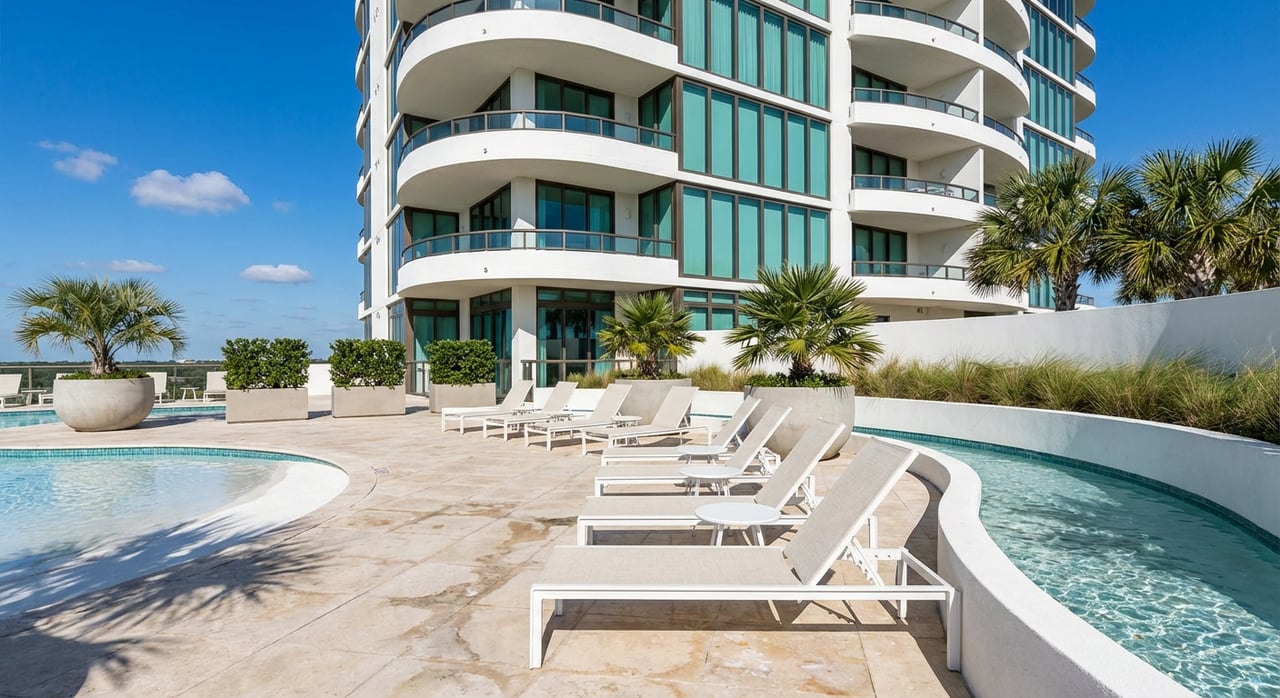
Many Gulf Shores condos offer direct beach access, pools, elevators, and assigned parking that simplify stays for you and your guests. Beach houses often provide private driveways and more space for gear, carts, and vehicles. If you expect larger groups, verify parking rules for both buildings and neighborhoods.
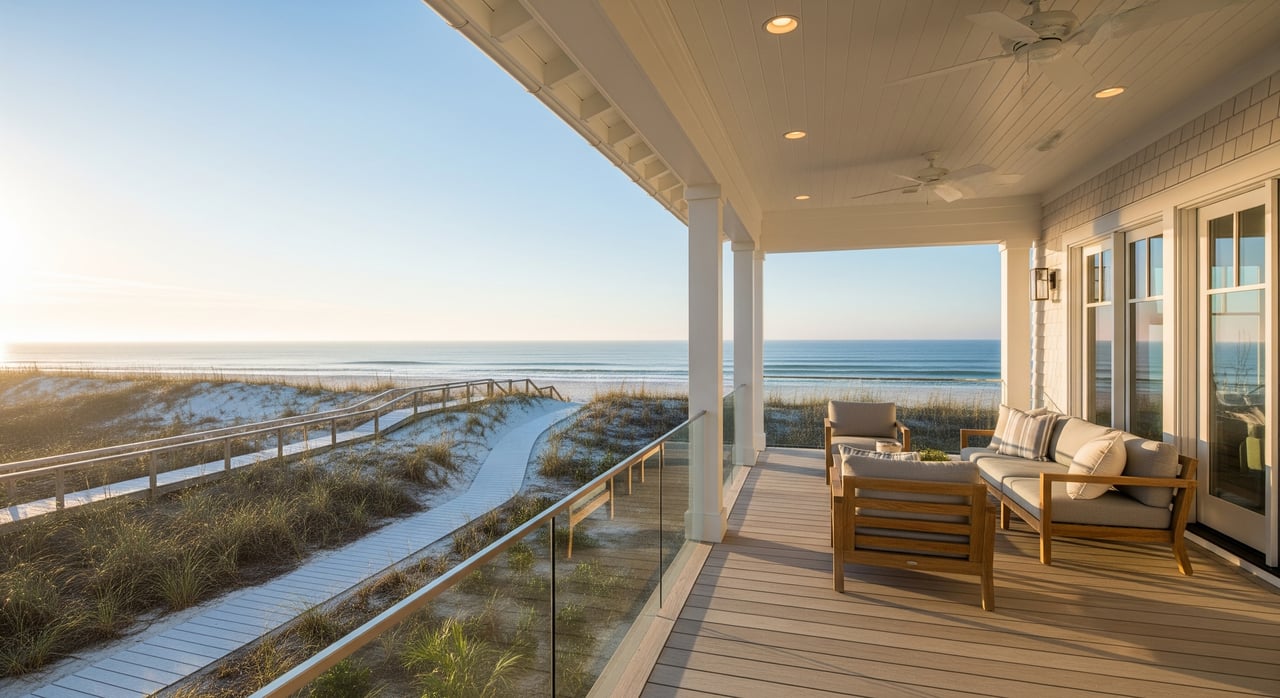
Condo living means more neighbors and seasonal activity, especially during peak weeks. Beach houses offer more private outdoor space and fewer shared walls. In busy weeks, any area can feel lively, so review building or neighborhood rules on quiet hours and occupancy.
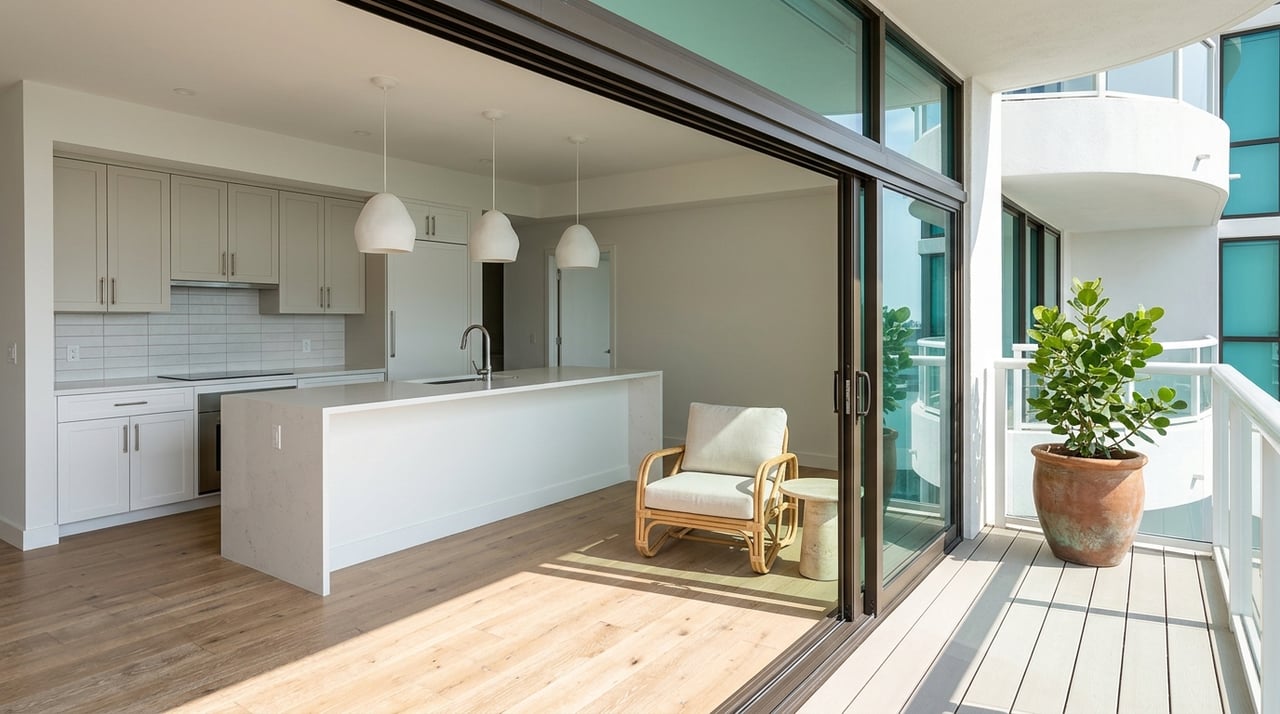
Condos bring convenience with pools, fitness rooms, security, and onsite services that can support premium nightly rates. Beach houses excel at room to spread out, larger kitchens, outdoor living, and the option for features like private pools. Think about how you prefer to spend time at the beach and what will delight your guests.
Peak demand aligns with warm-weather months, with strong spring and fall shoulder seasons. Off-season bookings are lighter but can include longer stays. Use platform comps and local STR data to benchmark rates and occupancy for your specific unit type and distance to the beach.
Your rental plan must meet city registration and licensing standards. Start with the City of Gulf Shores for permit, licensing, and tax information. For condos, carefully review the HOA’s rental restrictions, minimum stays, guest policies, and parking rules. Building-level rules can make or break your revenue plan.
Condos may streamline arrivals with elevators and onsite staff, though buildings often have strict loading and parking rules. Houses provide flexibility for staging, storage, and outdoor cleaning but require broader maintenance coordination. Full-service vacation rental management fees commonly range from about 20 to 40 percent, so model those costs along with cleaning, utilities, insurance, taxes, and HOA dues.
Condo HOAs typically handle exterior building systems, common areas, elevators, and amenity upkeep, paid through monthly dues. Review the reserve study, financial statements, and any pending capital projects. Healthy reserves can reduce the risk of large special assessments after storms or for major repairs.
Salt air, sun, and storms accelerate wear on siding, decks, railings, and metal components. Budget for more frequent exterior painting and periodic roof and deck work. Plan for vendor relationships ahead of peak season, when contractor schedules fill up quickly.
Some loans for condos require project-level approval. For FHA buyers, review current rules and project eligibility through HUD’s condominium guidance. Conventional lenders may also review occupancy ratios, reserves, and insurance before approving a loan.
Condos tend to attract buyers seeking low-maintenance, amenity-rich living with straightforward rental operations. Beach houses appeal to those who want privacy, larger group capacity, and full-property control. Shifts in insurance availability, flood mapping, and coastal policy can influence buyer demand over time.
Ready to explore real options that fit your goals? Our boutique team combines local market credentials with investor-minded analysis to help you compare buildings and neighborhoods, run revenue projections, and plan a smooth rental launch. Reach out to Candace Pfab to start a data-backed, stress-free search that fits your lifestyle and bottom line.


Her innovative approach to assisting investors in analyzing vacation rental opportunities, as well as preparing her for post-sale maximization of rental income, makes her one of the most sought-after investor friendly real estate.