Thinking about Orange Beach or Gulf Shores for your beach place but not sure which one fits you best? You’re not alone. From sand and marinas to condo rules and rental income, each town offers a different daily rhythm. In this guide, you’ll compare lifestyle, housing options, HOA culture, short-term rental demand, and risk so you can move forward with clarity. Let’s dive in.
Quick take: Key differences
- Orange Beach leans quieter with strong boating and marina access.
- Gulf Shores has more concentrated beachfront activity and event infrastructure.
- Both share the same white-sand coastline and regional tourism market.
- For investors, building-level rental comps and HOA rules matter more than the town name.
Beaches and day-to-day lifestyle
Both towns share sugar-white beaches and similar sand quality. The differences show up in how people use the coast and what is nearby day to day.
Beach access and parks
Gulf Shores includes Gulf State Park with extensive trails, lakes, and a large pier, plus a higher concentration of public beach access points and event infrastructure. You’ll find more large public events and a busier beachfront corridor in peak periods. Orange Beach also offers long stretches of Gulf beachfront and access to bays and the intracoastal, which creates a more spread-out feel on the water.
Boating and marinas
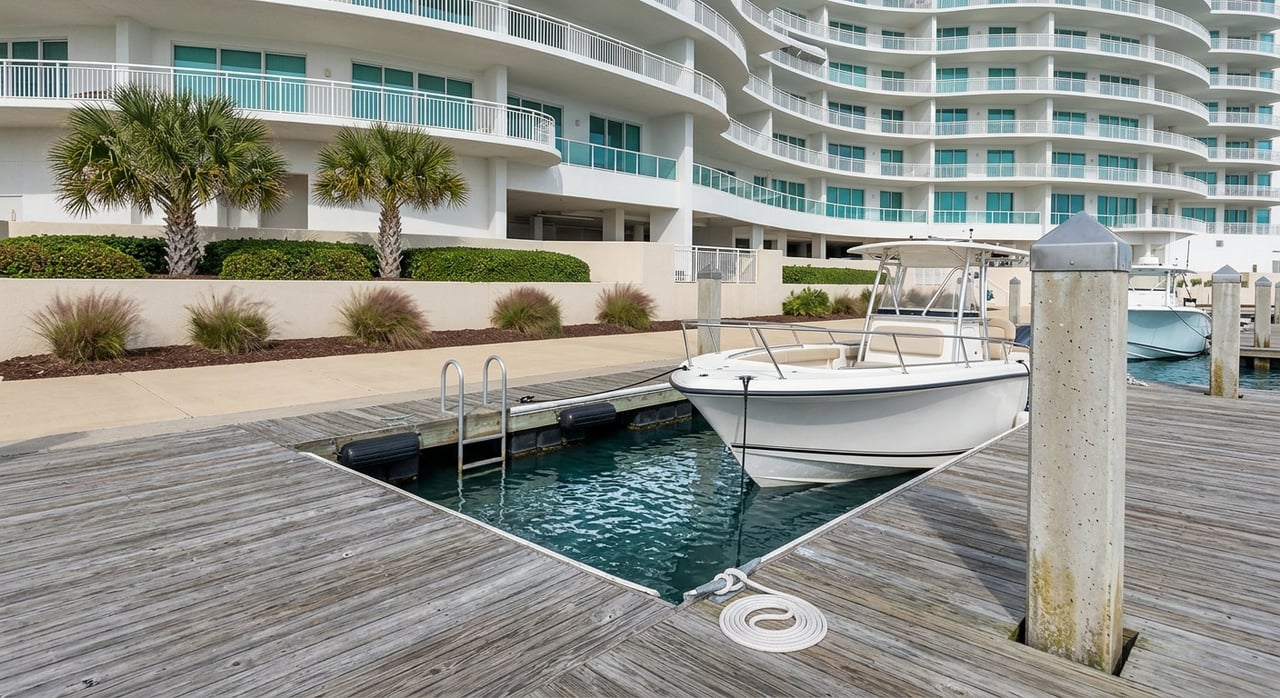
If boating and fishing anchor your lifestyle, Orange Beach is known for multiple marinas, inlets, and boat launches. The marine culture is strong and daily boat access is easier for many properties. Gulf Shores supports boating as well, but its vibe trends toward public beach amenities and events rather than marina life.
Dining, nightlife, and activities
Gulf Shores offers a concentrated strip of beachfront dining and attractions and tends to host more large events and gatherings along the coast. Orange Beach features hubs like The Wharf, a mixed-use marina and entertainment district, along with smaller clusters of restaurants. Expect a more marina-focused dining and nightlife scene in Orange Beach.
Practical access
You’ll typically fly into Pensacola International to the east or Mobile Regional to the west. Drive times vary with traffic, so check your favorite routing app. The two towns sit side by side, and most buyers treat them as one broader coastal playground.
Condo and home options
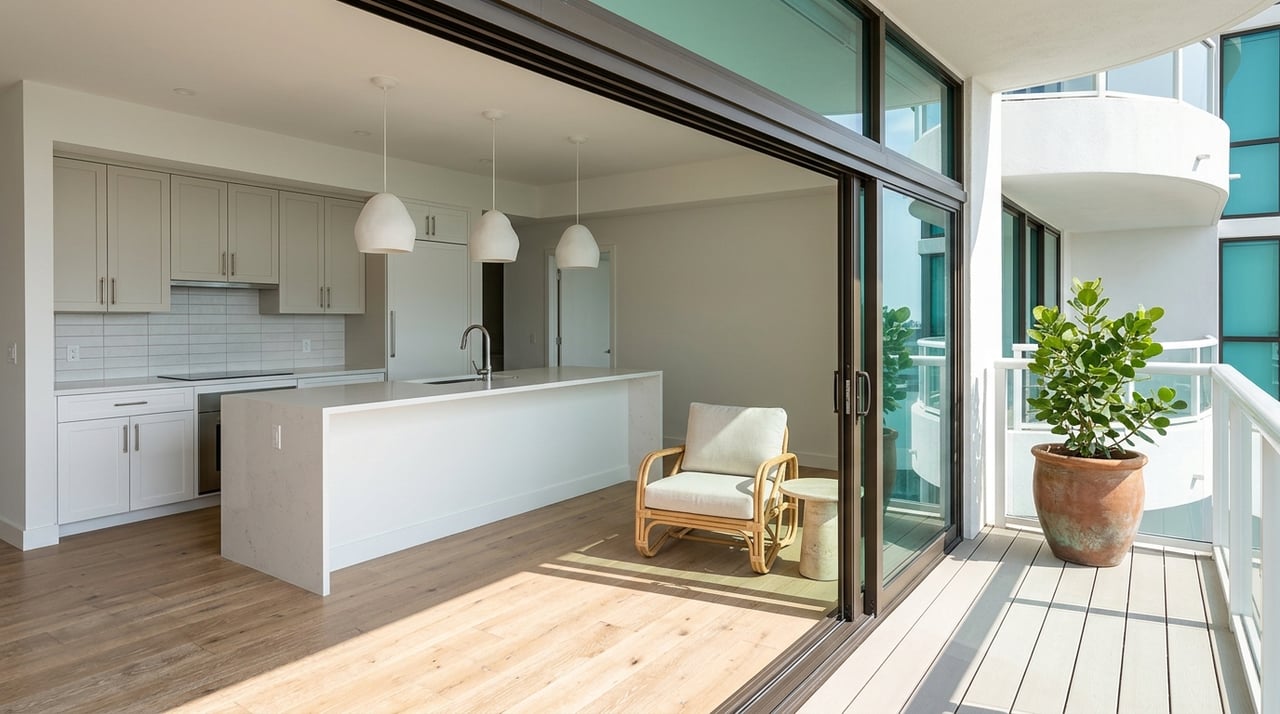
You’ll find similar property types in both markets: high-rise Gulf-front towers, mid- and low-rise condos, townhomes, and single-family homes on the Gulf or bay. Condos dominate the short-term rental scene because they are easier to finance and manage for vacation guests. Single-family gulf-front or bay-front homes tend to attract owner-occupants and higher-end buyers and can command premium rates with more hands-on management.
HOA culture and rules that matter
Condo HOAs set the tone for your ownership experience and rental flexibility. Review the documents before you go under contract and again during due diligence.
Key items to request and review:
- CC&Rs, bylaws, current budget, and the latest reserve study
- Rental rules and minimum lease terms
- Owner-occupied vs. rented unit percentages
- Insurance policies and deductibles for wind, hail, and flood
- History of special assessments and major repairs
- Parking rules and on-site management structure
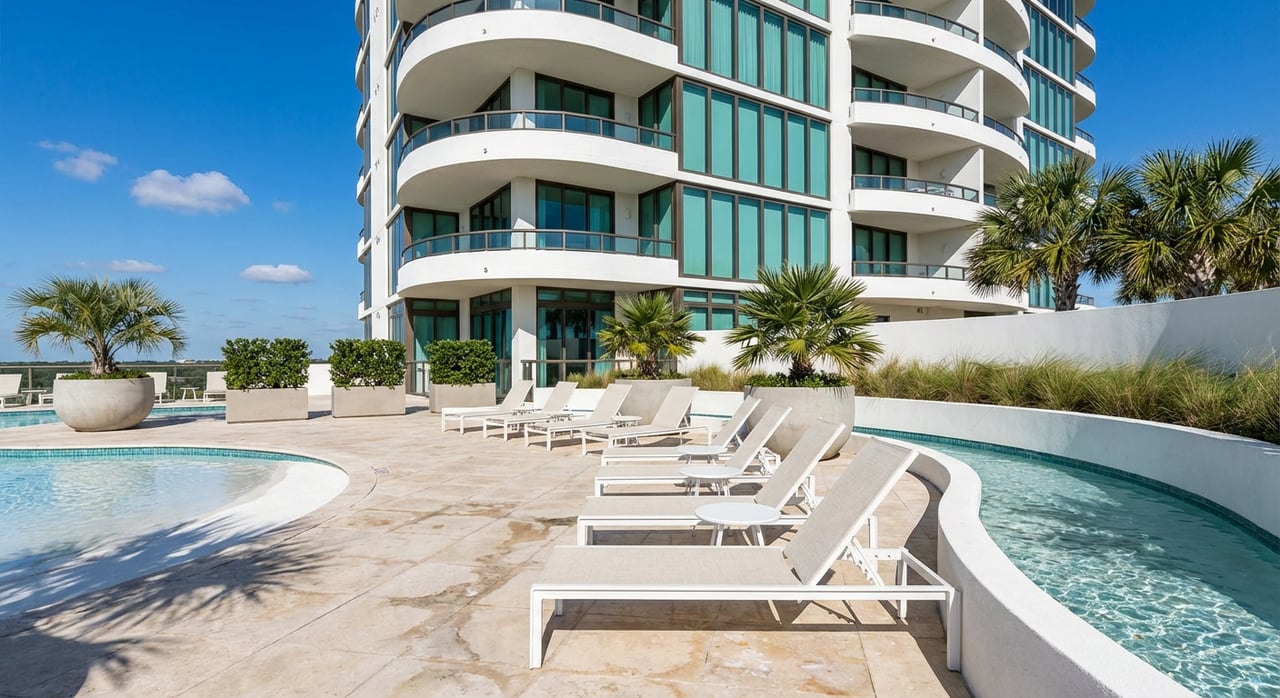
Resort-style condos in both towns often have higher dues, which can fund amenities, security, pools, and direct beach access. Smaller complexes may have lower dues and fewer amenities, but they sometimes carry more financial volatility.
Costs beyond the purchase price
Factor these into your underwriting and monthly budget:
- HOA dues and reserve contributions
- Baldwin County property taxes and any city assessments
- Insurance for wind and hurricanes, plus flood insurance if required
- Utilities, trash, sewer, and stormwater fees
Financing tips for condos and STRs
Lenders may require larger down payments for investor purchases, and some conventional loan programs limit properties with high rental ratios. Work with lenders who know Gulf Coast condos and can confirm project approval requirements early. If your plan includes STRs, share that up front so your financing and terms reflect your goals.
Short-term rental outlook
Both towns benefit from strong regional tourism and a clear peak season. Your returns will depend on the exact building, unit type, amenities, and the quality of your listing and management.
- Seasonality: Peak demand runs from late spring through summer, with strong ADR and occupancy from Memorial Day through Labor Day. Spring and fall shoulder seasons can perform well for competitive properties. The off-season is quieter, so design your pro forma with conservative winter assumptions.
- Performance data: Pull occupancy, ADR, and RevPAR from STR analytics platforms or local property managers. Compare units in the same building or immediate area and adjust for amenities like pool, elevator, and direct beach access.
- Regulations and taxes: Both cities require compliance with lodging tax and business registration rules. HOA restrictions can be stricter than city rules, so confirm both before you go live. Review current guidance on the City of Orange Beach website and the City of Gulf Shores website.
- Management and ops: Compare management fees, cleaning and turnover standards, guest screening, and marketing reach. A reliable local manager can improve revenue and reduce headaches.
- Underwriting: Use conservative occupancy and ADR, and model downtime for storms. Include HOA dues, insurance, property management, utilities, and debt service to test cap rate and cash-on-cash outcomes.
For broader tourism context and seasonality insights, check the regional information published by Gulf Shores & Orange Beach Tourism.
Risk, insurance, and due diligence
Hurricane and storm surge risk is part of owning on the Gulf Coast. Flood exposure varies by parcel, and many coastal properties sit in FEMA-designated flood zones where lenders require flood insurance.
- Insurance: Obtain multiple quotes that separate wind-only, flood, and property coverage. Pay close attention to hurricane deductibles and policy exclusions.
- Flood zones: Verify the flood zone for each address using the FEMA Flood Map Service Center and confirm lender requirements before you offer.
- Storm history: Review historical storm tracks and seasonal outlooks from the National Hurricane Center.
- Building condition: For older condos, ask for engineering reports, roof and HVAC timelines, and records of hurricane-related repairs.
- HOA health: Review reserve adequacy, recent special assessments, board meeting minutes, and any pending litigation.
Which buyer are you?
Match your profile to the town and property type that fits how you plan to use it.
Investor focused on peak income
- Consider Gulf-front condos in Gulf Shores or high-visibility Orange Beach properties with direct beach access.
- Priorities: strong ADR and occupancy history, minimal STR restrictions, easy guest access, and an established manager.
Boating and fishing first
- Consider Orange Beach properties with bay or marina access or bay-front single-family homes.
- Priorities: a private feel, marina services, easy launching, and options for secure storage.
Walkability and attractions
- Consider central Gulf Shores near public beaches, dining, and Gulf State Park.
- Priorities: simple access to activities and amenities that support your daily routine.
Lower management burden, longer hold
- Consider newer resort-style condos with professional on-site rental programs.
- Priorities: quality amenities, consistent leasing, and solid reserves.
Your decision checklist
Use this list to compare shortlists in both towns.
- Define the primary goal: lifestyle-first, investment-first, or a mix.
- Pull building-level STR comps and verify HOA rental rules in writing.
- Request HOA financials, reserve study, insurance policies, and recent board minutes.
- Obtain insurance quotes for wind, flood, and property before finalizing terms.
- Confirm city STR licensing and lodging tax requirements for your address.
- Walk the access: beach paths, parking, elevator count, and distance to dining or marinas.
- Price out all-in carrying costs: HOA dues, insurance, taxes, utilities, and management.
- Test conservative revenue and a storm downtime scenario.
- Align financing with project approval and your rental plan.
- Talk with local managers about guest demand and turnover standards in that building.
What this means for your search
Choose Orange Beach if you want a somewhat quieter, marina-forward environment and the option to center your days on boating and bay life. Choose Gulf Shores if you prefer concentrated beachfront activity, walkable dining, and access to large events and park amenities. If you’re investing, let building-level comps and HOA rules lead your decision, not just the ZIP code.
Plan your next steps with a local guide
You deserve clarity and a plan that fits your lifestyle and returns. Our boutique team pairs local condo and coastal-home expertise with an investor-minded process: pre-purchase rental projections and comps, HOA and insurance guidance, and post-close rental optimization with staging ideas and property manager referrals. When you are ready, reach out to Candace Pfab to compare properties in both towns and map a confident path to the beach.
FAQs
What is the main lifestyle difference between Orange Beach and Gulf Shores?
- Orange Beach trends quieter and more marina-focused, while Gulf Shores offers more concentrated beachfront activity and event infrastructure.
Which town is better for short-term rental revenue?
- It depends on the exact building, unit type, amenities, and location; use hyper-local STR comps for each property and confirm HOA rules and city permits before buying.
Where can I find current STR rules and lodging tax info?
When is peak rental season on Alabama’s Gulf Coast?
- Late spring through summer, from Memorial Day through Labor Day, with the shoulder seasons in spring and fall offering additional opportunities for well-equipped properties.
What HOA and building items should I review before purchasing a condo?
- Request CC&Rs, bylaws, budget, reserve study, insurance policies and deductibles, rental restrictions, special-assessment history, and recent board meeting minutes.
How should I evaluate flood and hurricane risk for a beach property?