Orange Beach Short-Term Rental Rules for Nightly Homes
August 27, 2026
August 27, 2026
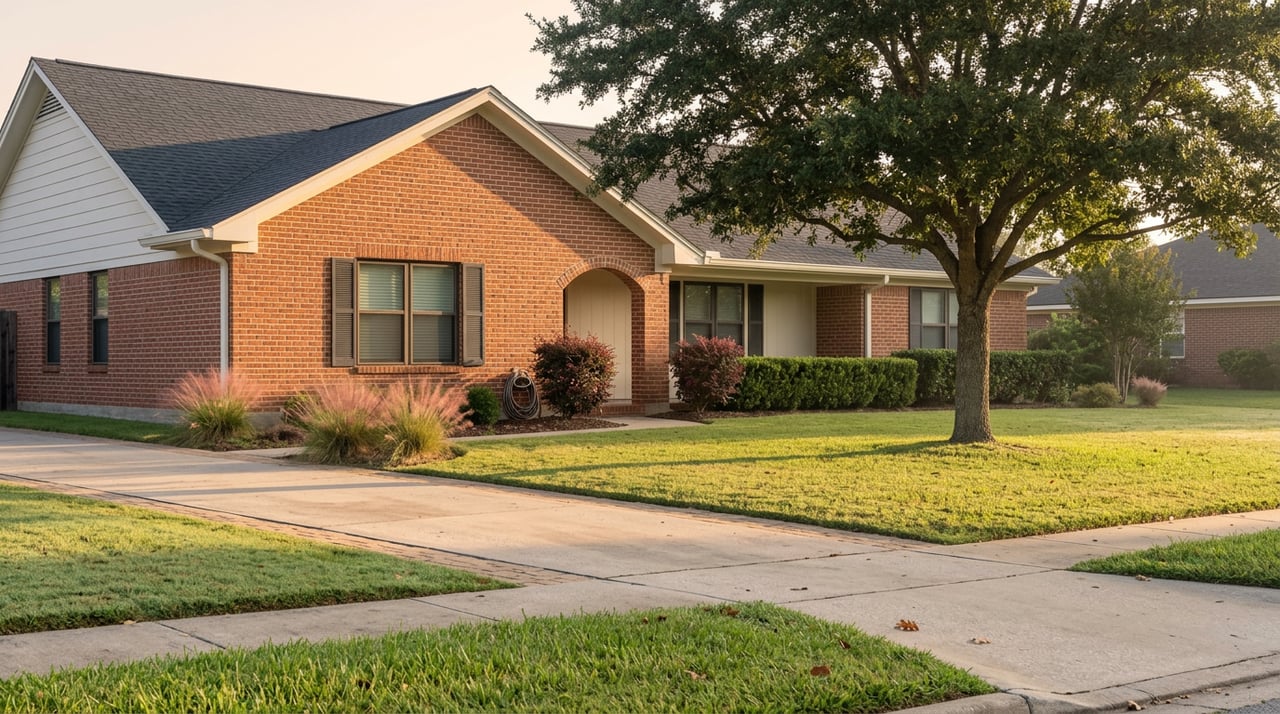
Two three-bedroom houses sit four streets apart in Orange Beach. Same builder era, same square footage, same distance to the water as the crow flies. One can be listed on Airbnb tonight. The other cannot be rented for anything shorter than six months, and the owner who tries anyway is looking at fines that start at $100 a day.
The difference has nothing to do with how close either house sits to the Gulf. It comes down to a zoning line drawn on a city map, and most buyers never think to ask about it until they are already under contract.
Ask a first-time Gulf Coast investor what makes a property Airbnb-ready and you will almost always hear some version of "how close is it to the beach." That instinct makes sense everywhere else. In Orange Beach, it is the wrong question entirely.
The city's vacation rental ordinance, adopted in 2018 as Article XI of the code of ordinances, does not regulate short-term rentals based on proximity to sand. It regulates them based on which zoning district a parcel sits in. The ordinance creates a licensing pathway for rentals of fourteen consecutive days or less, and that pathway only exists inside four specific zoning classifications: RS-1, RS-2, RS-3, and MHS. Everything else in the residential fabric of the city falls outside this system by design.
That single fact reorganizes how an investor should shop. A house is not a candidate for nightly rental because it is pretty, updated, or a five-minute walk from public beach access. It is a candidate because a parcel lookup confirms it sits in one of those four districts. Skip that step and you are pricing a rental projection on a property that may legally be a long-term rental only.
The city publishes a vacation rental zoning map that shows the RS-1, RS-2, RS-3, and MHS districts in yellow and orange. It also outlines something else in red: the Beach Overlay District. That overlay is explicitly carved out of the vacation rental ordinance. Properties inside it are not subject to Article XI at all.
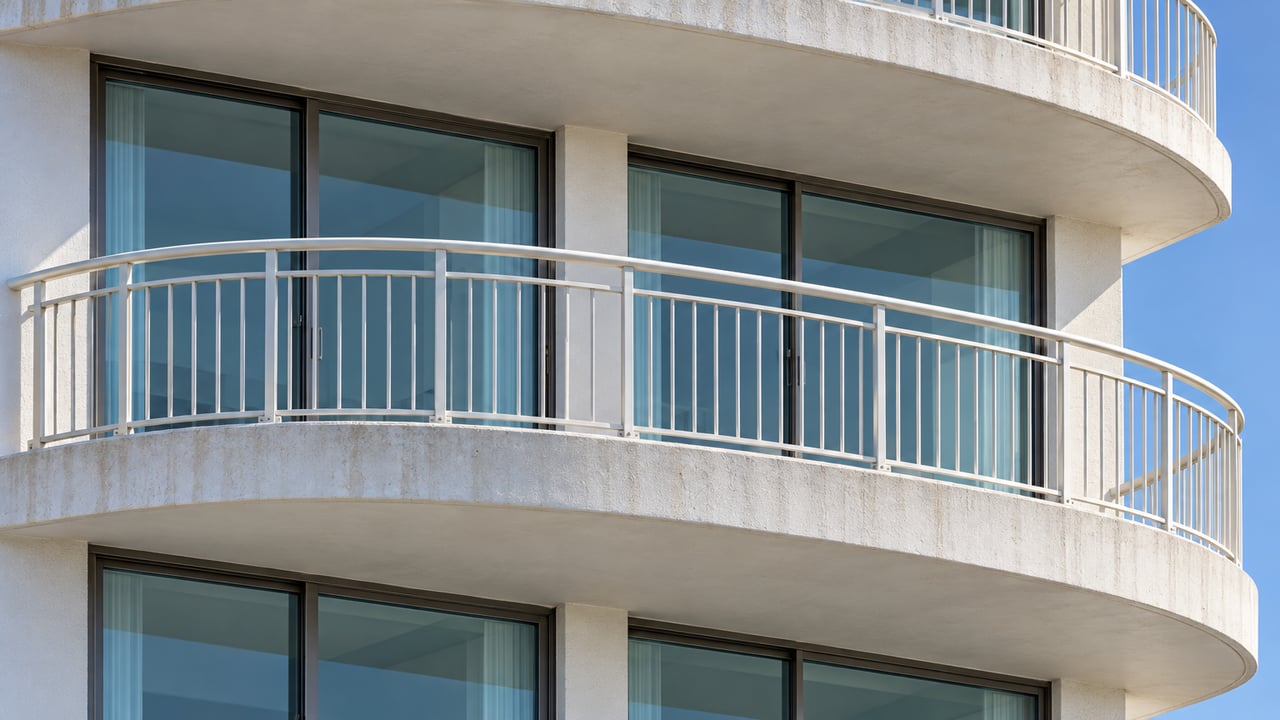
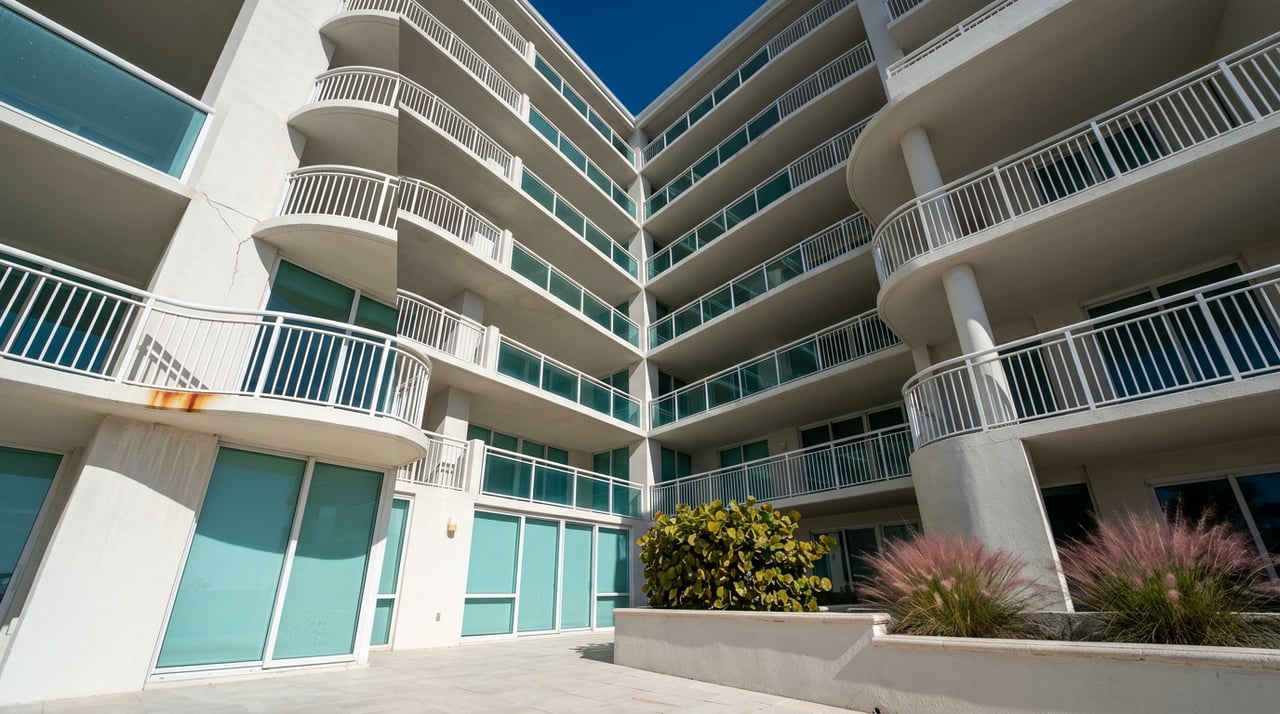
Here is where it gets counterintuitive. Most people assume anything inside a "beach overlay" would have the strongest short-term rental rights in the city. Instead, being outside the ordinance's scope means those properties are governed by an entirely different regulatory track: the tourist and multifamily zoning that already applies to condominium towers and planned unit developments. Turquoise Place, Caribe Resort, Phoenix Orange Beach, and Sea Chase were never part of the 2018 debate over single-family rental licenses because they were never zoned as single-family residential in the first place. Their nightly rental rights come from their PUD and RM zoning history and their own condo declarations, not from the ordinance that governs a house on a residential street.
So the real map of Orange Beach short-term rental rights has three tiers, not two:
| Zoning Type | Nightly Rental Status | Governing Framework |
|---|---|---|
| RS-1, RS-2, RS-3, MHS (inside the ordinance) | Allowed with a Vacation Rental License | Article XI, city code |
| Beach Overlay District, PUD, RM condo towers | Allowed under separate tourist/multifamily zoning | Condo declarations, PUD approvals |
| Any residential zoning not named in Article XI | Not eligible for a 14-day license | Effectively long-term rental only |
That third row is the one buyers miss. A house that looks identical to its RS-1 neighbor but sits in a different underlying zoning classification simply has no path to a short-term license under the current ordinance, regardless of how the seller describes its rental history.
The ordinance came out of a genuinely contentious stretch for the city. Complaints about noise, trash, and parking from short-term rentals in residential neighborhoods pushed the council toward a moratorium on new licenses before Article XI was drafted, and the debate at the time turned almost entirely on where the line should sit, not whether rentals should exist at all. Existing license holders were grandfathered in under the new rules, but the zoning boundary itself became permanent.
That history matters for a 2026 buyer for one practical reason: grandfathering runs with specific licenses, not with the property in a way a buyer can assume transfers cleanly. If a seller's listing leans on rental income from a license issued years ago, that license and its renewal history deserve the same scrutiny as the zoning designation itself. Ask for the current Vacation Rental Certificate, not just a revenue statement.
Confirming zoning eligibility is the first gate, not the only one. Once a property qualifies, Orange Beach requires two separate authorizations before a single guest can check in.
Beyond those two documents, the ordinance sets operational rules that catch new owners off guard:
None of this is unusual for a coastal resort market. What is unusual is how often it gets treated as an afterthought because the buyer's attention was consumed entirely by the zoning question and never got to the compliance layer underneath it.
Alabama's short-term rental tax stack layers state, county, and city lodging taxes on top of state sales tax, and in Orange Beach the combined lodging tax rate runs at roughly 13 percent of gross rental revenue. That number surprises investors who assume Alabama undercuts Florida on every line item. Alabama's Gulf Coast counties do run meaningfully lower on property tax than Florida's Gulf counties, but the lodging tax layer still has to be priced into any pro forma. A rental projection that only nets out property tax savings without accounting for that lodging tax will overstate cash flow.
None of this should read as a reason to avoid single-family homes in Orange Beach. It is a reason to sequence the search correctly. Before a rental projection means anything, confirm the parcel's zoning classification against the current vacation rental map, then confirm whether the specific license or certificate you are counting on is active and transferable. Condo towers carry their own version of this homework, since PUD approvals and condo declarations can be just as restrictive as city zoning, just written into a different document.
A property that looks like a rental machine in photos can still be a long-term hold in practice, and a property that looks purely residential can carry full nightly rights if it sits in the right district. The zoning line, not the shoreline, is what decides which one you are buying.
Does being close to the Gulf automatically qualify a property for short-term rental? No. Proximity to the water has no bearing on eligibility under Orange Beach's ordinance. Eligibility depends on the parcel's zoning classification.
Are condo towers like Turquoise Place or Caribe Resort subject to the same ordinance as single-family homes? No. They sit under separate PUD and multifamily zoning and were not part of the 2018 residential rental ordinance. Their rental rights come from their own zoning history and condo declarations.
If a property already has short-term rental history, does that guarantee the next owner can continue it? Not automatically. Confirm the current Vacation Rental Certificate is active, verify the underlying zoning independently, and do not rely on past rental income alone as proof of eligibility.
What is the single most useful due diligence step before writing an offer on a potential short-term rental? Pull the property's zoning classification against the city's vacation rental map before you price anything. It is a five-minute check that prevents a six-figure mistake.
If you are weighing a single-family home against a condo tower for short-term rental income in Orange Beach, that zoning question is exactly the kind of detail worth running down before you write an offer. Pfabulous Real Estate works through the zoning, licensing, and rental-readiness picture with buyers before contract, not after closing. Start Your Gulf Coast Search when you are ready to see what a compliant, rental-eligible property actually looks like on paper.
Her innovative approach to assisting investors in analyzing vacation rental opportunities, as well as preparing her for post-sale maximization of rental income, makes her one of the most sought-after investor friendly real estate.